Showing posts with label Abortion. Show all posts

Wednesday, January 4, 2017

The Supreme Court’s (nonexistent) argument for the viability standard

"Viability," in one sense of that term, is when an unborn child can survive, albeit with assistance, outside of the womb. The U.S. Supreme Court ruled in Roe v. Wade (1973), and reaffirmed in Planned Parenthood v. Casey (1992), that viability is the point at which the state first has a "compelling interest" in protecting the life of a developing human being.

Thus, according to Roe and Casey, only after viability may the state, in theory if not really in practice (given the mandatory post-viability exception defined broadly in Doe v. Bolton), choose to protect the unborn. Before viability, the Court decided, the killing of human beings in utero must be permitted for any reason.

But what constitutional, legal, historical, or moral justification is there for supposing that the physical dependence of one human being on another requires that the law permit the killing of the former?

Here is the Court's entire argument in Roe v. Wade for using the viability criterion:

With respect to the State's important and legitimate interest in potential life, the "compelling" point is at viability. This is so because the fetus then presumably has the capability of meaningful life outside the mother's womb.

That's seriously the entire argument (you can read the Roe decision for yourself). It is, of course, circular reasoning. Viability is important, the Court says, because that's when a child can live outside the womb (the definition of viability). Viability is important, that is, because it is viability.

"[T]he Court's defense seems to mistake a definition for a syllogism," noted the eminent Yale law professor John Hart Ely (who personally supported legalized abortion). Indeed, "scholars from a wide variety of backgrounds have recognized," writes University of Georgia law professor Randy Beck, that "Roe literally provided no argument in favor of treating viability as the controlling line, much less an argument grounded in constitutional principles."

Did the Court at least manage to offer a reason for the viability criterion when it reconsidered the issue in Planned Parenthood v. Casey? Amazingly, no. Here is the Court's argument in Casey:

[V]iability, as we noted in Roe, is the time at which there is a realistic possibility of maintaining and nourishing a life outside the womb, so that the independent existence of the second life can, in reason and all fairness, be the object of state protection that now overrides the rights of the woman.

This, again, is not actually an argument. The Court simply provides the definition of viability and then, without offering any reason, concludes that it makes all the difference in deciding who may be protected from lethal violence and who may not be. If we do take this to be an "argument," it is a fallacious one, as Francis J. Beckwith writes:

For the Court to make its argument valid, it would have to add to its factual premise [the fact of fetal non-viability] the normative premise: whenever a human being cannot live on its own because it uniquely depends on another human being for its physical existence, it is permissible for the second human being to kill the first to rid the second of the burden.

The Court assumed that premise in both Roe and Casey. The Court has never argued for it.

The private papers of the justices suggest that the author of Roe, Justice Harry Blackmun, under the influence of Justice Lewis Powell and others, chose viability arbitrarily after considering other, equally arbitrary criteria. Justices Powell and Thurgood Marshall favored drawing the line at viability (rather than earlier) for the practical reason that it allowed a larger window of time during which women could have abortions—a policy outcome that the justices personally liked.

A decade later, Justice Sandra Day O'Connor (in her dissent in Akron v. Akron Center for Reproductive Health), who went on to co-author the plurality opinion in Casey, called viability "no less arbitrary" than any other point in pregnancy. And the Casey decision itself acknowledged that viability "may seem somewhat arbitrary," but held that, nevertheless, the right to abortion "must not be extinguished for want of a line that is clear."

So the justices (in both Roe and Casey) had, as far as we know, no reason whatsoever for thinking that viability is of actual significance (constitutionally or morally). That explains why they have never been able to give any reason.

"The arbitrariness of the viability line is confirmed," wrote dissenting Justice Antonin Scalia in a footnote to his Casey opinion, "by the Court's inability to offer any justification for it beyond the conclusory assertion that it is only at that point that the unborn child's life 'can in reason and all fairness' be thought to override the interests of the mother." Scalia added:

Precisely why is it that, at the magical second when machines currently in use (though not necessarily available to the particular woman) are able to keep an unborn child alive apart from its mother, the creature is suddenly able (under our Constitution) to be protected by law, whereas, before that magical second, it was not? That makes no more sense than according infants legal protection only after the point when they can feed themselves.

In its Casey decision, the Court wrote, "[A] decision without principled justification would be no judicial act at all." That's true. Roe v. Wade and Planned Parenthood v. Casey, therefore, are not judicial acts. They are judicial embarrassments.

Tuesday, December 20, 2016

My body, my choice? Why bodily autonomy doesn’t justify abortion

A version of the following article first appeared in the November-December 2016 issue of MCCL News.

Abortion is justified, many of its defenders argue, because women have a right to control their own bodies. "My body, my choice," signs and bumper stickers proclaim. The bodily autonomy argument takes a few different forms. None, however, are successful.

Some people think that the unborn (the human embryo or fetus) is a mere part of the woman's body. But science, of course, has established that the unborn—though physically dependent on and inside of the mother—is a distinct, self-developing individual with his or her own DNA, brain, arms and legs, etc. Abortion attacks and kills the body of someone else.

Other people believe that even though the unborn is a distinct human organism, a pregnant woman should be able to decide what happens in or to her body. Whereas many arguments for abortion contend that the human being in utero is not a "person" with intrinsic value and rights, this argument holds that abortion is permissible regardless of whether or not the child is a valuable person.

The Sovereign Zone argument

Trent Horn helpfully distinguishes between two variations of this approach. The first version, which he calls the "Sovereign Zone" argument, claims that a woman has an absolute right to do whatever she wants with anything that is inside her body. And the unborn child—even if she is a human person—is currently within that sovereign zone.

But sovereignty cannot be absolute. Consider an analogy: May we do whatever we want with anything that is on our private property? May we attack or kill innocent people who are passing through or seeking refuge? No, we must respect the rights of other people. "Mere ownership," acknowledges pro-choice philosopher Mary Anne Warren, "does not give me the right to kill innocent people whom I find on my property." And so it is with pregnancy.

May a pregnant woman ingest drugs that she knows will cause her child to be deformed or disabled? Clearly not. And if knowingly harming the child is wrong, killing her (through abortion) is even worse. Bodily autonomy is important, but there are obvious limits to that autonomy when someone else's body is also involved.

The Right to Refuse argument

The second, more sophisticated version, which Horn calls the "Right to Refuse" argument, was first introduced by moral philosopher Judith Jarvis Thomson in 1971. It contends that a woman has a right to refuse to let the unborn child use her body to survive. Just as a person is not obligated to donate an organ to save the life of someone else, the pregnant woman is not obligated to provide her uterus (and the sustenance and protection it affords) to her child.

This argument has enormous problems. Abortion, in the vast majority of cases, is not merely the withholding or withdrawing of "life support" from the unborn child—it is the intentional and active killing of that child, often by dismemberment. This killing violates the child's right to life (the right not to be intentionally killed) and right to bodily integrity. Indeed, "if people have a right to bodily integrity and so do not have a duty to donate a kidney," writes philosopher Christopher Kaczor, "then people in utero have a right not to have their bodily integrity fatally violated through abortion."

Moreover, even if abortion were not intentional killing (i.e., if it were simply a refusal to aid the child by removing her from the womb), abortion would still be wrong because a pregnant woman does have an obligation to allow her baby to live and grow in the womb. Here's why.

First, the father and mother, except in cases of rape, willingly engaged in an activity that caused (and is biologically ordered to) the creation of a new, dependent human being. So they bear responsibility for the resulting child.

Second, parents have special obligations to their dependent offspring that they do not have to others. Fathers, for example, must pay child support even if they did not intend or desire to become fathers. Parents may not abandon their children or refuse to provide for their needs (though they may relinquish those obligations through adoption).

Indeed, more generally, "we are by nature members of communities," explains ethicist Patrick Lee. "[O]ur flourishing involves being in communion with others. And communion with others of itself—even if we find ourselves united with others because of a physical or social relationship which precedes our consent—entails duties or responsibilities."

Parental obligation may not require extraordinary acts (like donating a kidney), but it does require basic, ordinary care, such as the nourishment and shelter provided during pregnancy. If unborn children are valuable members of the human family, like born children, then the same parental duties that apply after birth are present beforehand as well.

Third, the purpose of the uterus is to gestate the unborn child—it is where that child belongs. All human beings, during their prenatal stages of development, rely on it for care and protection. "The uterus exists for the unborn child rather than for the mother," notes Stephanie Gray. It is reasonable to think that a child has a right to live in her natural environment.

Finally, even apart from the other reasons, a moral obligation seems to arise when we alone are in a position to provide ordinary care (food and shelter) to someone who needs it to survive. "Suppose you live in a cabin far out in the wilderness, cut off from civilization by extreme distance and weather for much of the year, say, nine months," writes Mathew Lu, a philosophy professor at the University of St. Thomas in St. Paul. "One day you return to the cabin to discover that an infant has been left at the door without explanation. … Do you have an obligation to care for the infant, who will surely die if you do not take it in?"

Most people would say yes. "[W]e have a general obligation to protect the vulnerable, and a special obligation towards those we contingently encounter," Lu concludes.

Bodily rights do not justify abortion

The right to control one's body does not justify the intentional killing of others. Nor does it nullify our obligations to the youngest and most vulnerable members of the human family.

Indeed, the autonomy argument turns common sense and justice upside down. The unique nature of pregnancy—the bodily dynamic between an unborn child and her mother—is not, as the argument supposes, a reason to think that killing or neglect is permissible. It is, instead, a reminder that human beings are connected to and dependent on each other.

"The so-called right to abortion has … sown violence and discord at the heart of the most intimate human relationships," observed Mother Teresa of Calcutta. "It has portrayed the greatest of gifts—a child—as a competitor, an intrusion, and an inconvenience. It has nominally accorded mothers unfettered dominion over the independent lives of their physically dependent sons and daughters."

This "unconscionable power," Mother Teresa said, must be rejected. Both mother and child deserve respect, protection, and care.

Tuesday, December 13, 2016

Taxpayer funding of abortion may cost 1,000 Minnesota lives each year

December 15 is the 21st anniversary of the Minnesota Supreme Court's Doe v. Gomez ruling. That decision requires the government to pay for abortions for women who receive state assistance.

Through the end of 2014, according to the Department of Human Services, Minnesota taxpayers reimbursed abortion practitioners $22,507,205 for a total of 73,171 abortions. Taxpayers' 2014 portion was $953,187 for 3,957 abortions. Preliminary figures for 2015 add 4,267 state-funded abortions to the total.

Many of these abortions would have never taken place without Doe v. Gomez. Indeed, research has established that public funding of abortion significantly increases the incidence of abortion (relative to what it would otherwise be). A literature review by the Guttmacher Institute—which supports unlimited abortion—concluded, based on 22 different studies, that "approximately one-fourth of women who would have Medicaid-funded abortions instead give birth when this funding is unavailable."

In a recent analysis of the impact of public funding restrictions, Dr. Michael New estimates that 22,938 Minnesota abortions were prevented during the (pre-Doe) years in which there was no state or federal Medicaid funding of elective abortion. That amounts to approximately 1,500 fewer abortions per year. This was, however, during an era in which the abortion rate was higher than it is today.

To estimate the impact of taxpayer funding since Doe v. Gomez, let's apply Guttmacher's 25 percent figure to the Minnesota numbers. Here's what we get:

  • In 2014, about 989 Minnesota abortions would not have taken place without the availability of public funding.
  • Through 2014, a total of 18,293 abortions occurred because of public funding.
  • In 2015 (using the Department of Health's numbers), about 1,067 abortions took place because of public funding.

It's reasonable to think, then, that about 1,000 fewer Minnesota women would have abortions each year if the state did not pay for abortions through Medicaid. There would have been nearly 20,000 fewer abortions (thus far) without Doe v. Gomez.

Taxpayer funding of abortion has cost Minnesota thousands and thousands of human lives.

Thursday, December 8, 2016

Restoring our lost common sense about the killing of human beings

During the 19th century, scientists and physicians came to understand that the life of a human being (an individual member of the species Homo sapiens) begins at conception. The old idea that "quickening" was relevant to the nature of unborn children had been shown to be biologically mistaken. "The true scientific position,” explained an essay published in 1866 in the United States Medical and Surgical Journal, "is this: from the moment of conception, when the spermatozoa coalesces with the cell-wall of the ovule, the ovum is a distinct human being."

For Americans of this era, the humanity of unborn children settled the question of the morality of killing them. "Because the medical and legal establishment presupposed the moral axiom against killing innocent human beings," writes Justin Buckley Dyer in his historical treatment of the subject, "the physicians involved with the anti-abortion movement in the nineteenth century thought a demonstration that life begins at conception was sufficient to establish the wrongness of abortion at any point during pregnancy."

Unborn children are, as a matter of empirical fact, human beings. Intentionally killing innocent human beings is wrong. So abortion is wrong. Case closed. Unborn children deserve protection just like all other members of the human family. Consequently, in the mid- to late-19th century, states replaced the common law or earlier anti-abortion statutes with statutes banning all elective abortions, both before and after quickening.

But the commonsense view that killing innocent human beings is wrong isn't as common now as it was back then.

A 1970 editorial in the California Medical Association's journal called for abandoning the "traditional western ethic" that upholds "the intrinsic worth and equal value of every human life regardless of its stage or condition." Instead, "it will become necessary and acceptable to place relative rather than absolute values on such things as human lives," the editorial explained.

Of course, "since the old ethic has not yet been fully displaced," the authors noted, "it has been necessary to separate the idea of abortion from the idea of killing, which continues to be socially abhorrent. The result has been a curious avoidance of the scientific fact, which everyone really knows, that human life begins at conception and is continuous whether intra- or extra-uterine until death."

In the subsequent years, that scientific fact became much, much harder to avoid, especially with the development of ultrasound technology. Acceptance of abortion, then, required that "the idea of killing" become less socially abhorrent. And, to a certain degree, it has.

In 1973, the U.S. Supreme Court erased all of the 19th century laws protecting unborn children, effectively legalizing abortion for any reason nationwide. Most Americans didn't (and still don't) agree with the radical extent and consequences of that decision. Nevertheless, many in our society have indeed rejected the view—taken for granted by doctors in the 19th century—that killing innocent human beings is simply wrong.

They don't support killing in general, of course. But they think it's permissible to kill human beings in utero who, according to this view, lack the value or rights or "personhood" that older members of our species enjoy. "Merely being human is not in itself a reason for ascribing someone a right to life," write two philosophers (who defend both abortion and infanticide) in the Journal of Medical Ethics. "So what if abortion ends life?" asks one writer for Salon. "All life is not equal."

This current debate is similar, in one important respect, to the disagreements over other issues among the same 19th century Americans who prohibited abortion. Those Americans rejected discrimination against human beings on the basis of age, size, dependency, or location (in the womb or out). But many of them, horrifically, still defended discrimination on the basis of race, ethnicity, and sex.

Today the reverse is true. Our society discriminates against the young and small while cherishing diversity of race, ethnicity, and gender. But the core principle that is at stake—the principle of human equality—is the same with regard to all of these issues. It's the same principle Americans grappled with 150 years ago.

It's also the principle laid down in the beginning of our nation's founding document. We must work harder to live up to it.

Tuesday, November 1, 2016

Why abortion is different from other political issues

When voters decide which candidates to elect to public office, they often consider a range of important political issues. But not all issues should carry the same weight. Abortion is different from other issues in three ways.

First, abortion is a rejection of human equality. An entire class of innocent human beings (those who are in the embryonic and fetal stages of life) are excluded from the basic protection of the law. In no other area (with the exception of euthanasia and the treatment of human embryos in vitro) does our society deny some human beings the status of "persons" who have legal rights. Other issues involve debates about (for example) how best to improve health care for our nation, or how best to keep us safe from foreign threats. Abortion is about who counts as one of us—a member of our political community—in the first place.

Second, abortion is a denial of the right to life. It is the intentional killing of human embryos or fetuses. Human embryos and fetuses are living human organisms (members of the species Homo sapiens) at the earliest developmental stages. And all human beings—regardless of age, size, ability, dependency, or the desires and decisions of others—have an equal dignity and right to life. Abortion, then, is a serious injustice, yet it is legal and accepted by much of our society. Politicians disagree about (for example) how best to deal with gun-related violence. But no one thinks such violence is OK or should be legalized and encouraged by the government. The same cannot be said about the violence of abortion.

Third, abortion is the destruction of life on a truly massive scale. An entire industry is devoted to the killing of human beings in utero. More than one million unborn children are killed in the United States each year. Abortion is, by a large margin, the leading cause of human death in our country. Cancer and heart disease (for example) are tragic and should be fought with compassion. But the sheer scope of abortion separates it from other social harms.

Both the moral gravity and the scale of abortion, then, make it a uniquely significant issue in American society today. At stake is equality. At stake is the right to life. At stake are many, many human lives.

Not all political issues are equal. Human beings are equal, and that's why abortion is such a weighty problem for our society.

Friday, October 28, 2016

What are the stakes on Nov. 8?

Election Day is Tuesday, November 8. Pro-life voters should consider the stakes and seek to prioritize issues accordingly.

Abortion is not like other political matters. The abortion issue is about whether a whole class of innocent human beings (those who are in the embryonic and fetal stages of life) deserve basic respect and the protection of the law—or whether they may be excluded from protection and killed on an industrial scale. Abortion is the leading cause of human death in our state and our country. The moral gravity and sheer scope of this problem make it a uniquely important issue in American society today.

And the candidates we elect to public office will shape laws and public policies in ways that affect the practice of abortion (and other right-to-life issues). Elected officials will work to either increase protection for unborn children or decrease it. They will enact measures that reduce or escalate the incidence of abortion. They will try to legalize assisted suicide (as some in Minnesota have recently), or they will defeat such efforts. Lives are on the line.

Here in Minnesota, MCCL has helped pass pro-life laws (such as Woman's Right to Know and Positive Alternatives) that have led to fewer abortions. Lives have been saved because of pro-life legislation. But it was only possible because pro-life candidates had been elected to the state House and Senate.

We need to elect pro-life candidates this year. Only then can we advance new pro-life legislation. Only then can we defeat life-threatening proposals.

U.S. House races are also on the ballot. Members of Congress determine which federal bills get passed and which get defeated. Important federal laws (such as the Hyde Amendment, which has saved more than two million lives from abortion) might be at stake. The House could become even more important if the Senate falls under the control of those who favor unlimited abortion (Minnesota does not have a U.S. Senate race this year).

Some of Minnesota's U.S. House races are very close:

  • In the 2nd Congressional District, Jason Lewis faces Angie Craig. Lewis received a 100 percent score on MCCL's pro-life candidate questionnaire. Craig has been endorsed by NARAL Pro-Choice America, Planned Parenthood, and other organizations that only support pro-choice candidates.
  • In the 3rd District, Congressman Erik Paulsen faces challenger Terri Bonoff. Paulsen has a 100 percent pro-life voting record in Congress. Bonoff supports abortion on demand and voted against many pro-life bills in the Minnesota Legislature.
  • In the 8th District, Stewart Mills is running against incumbent Rick Nolan. Mills earned a 100 percent score on his MCCL questionnaire, while Nolan has a zero percent pro-life voting record in Congress.

The MCCL Voter's Guide, which is available online, includes information about the positions on abortion and assisted suicide of state legislative candidates and congressional candidates. Before voting, make sure to find out where the candidates in your area stand. If you don't know your legislative or congressional district—or would like other voting information—go to MNVotes.org.

Remember to vote on Nov. 8—and vote pro-life.

Thursday, October 13, 2016

Planned Parenthood and human (in)equality

October 16 marks the 100-year anniversary of Planned Parenthood. The group's founder, Margaret Sanger, was a birth control pioneer. But she didn't view "birth control" (a term she helped coin) in the same way as people today. "Birth control is nothing more or less than the facilitation of the process of weeding out the unfit, of preventing the birth of defectives or of those who will become defective," Sanger wrote in her 1920 book Woman and the New Race.

Sanger, indeed, was a eugenicist who wanted to prevent the procreation of people she deemed "unfit," such as many who were poor, sick, and disabled. She urged the government to "restrain, either by force or persuasion, the moron and the imbecile from producing his large family of feeble-minded offspring." She said that stopping "the over-fertility of the mentally and physically defective" was "the most urgent problem today."

Sanger's view of humanity was expressed in a passage from one of her essays (titled "The Need for Birth Control in America"):
In his last book, Mr. [H.G.] Wells speaks of the meaningless, aimless lives which cram this world of ours, hordes of people who are born, who live, who die, yet who have done absolutely nothing to advance the race one iota. Their lives are hopeless repetitions. All that they have said has been said before; all that they have done has been done better before. Such human weeds clog up the path, drain up the energies and the resources of this little earth. We must clear the way for a better world; we must cultivate our garden.
This is a significant part of the vision with which Planned Parenthood was founded. It is a view that rejects the good of human life as such. It says that some lives—the lives of those who are "defective," who do not contribute, who are "human weeds"—are "meaningless" and not worth living. It denies the fundamental equality and importance of all members of the human family.

Planned Parenthood's eugenic attitude (later couched more in terms of population control) lived on for decades. Alan Guttmacher (for whom the Guttmacher Institute is named), for example, became president of the Planned Parenthood Federation of America (PPFA) in 1962. Guttmacher was a long-time eugenicist and former vice president of the American Eugenic Society. He warned in a speech (in 1942) that "the mentally retarded and the mentally defective" are "insidiously ... replacing the people of normal mentality." Guttmacher hoped in 1969 that "some day a way of enforcing compulsory birth control will be feasible."

Now, one-hundred years after its founding, Planned Parenthood doesn't talk about eugenics any more. But that doesn't mean that Sanger's views are completely absent from the work of the organization.

Today PPFA is, by a large margin, the leading practitioner of abortion in the United States. It performs about a third of a million abortions each year. Planned Parenthood vigorously opposes any limits on abortion and actively supports political candidates who champion unfettered and publicly funded abortion—and who will funnel hundreds of millions of taxpayer dollars annually back into Planned Parenthood's coffers. The International Planned Parenthood Federation (IPPF) likewise promotes abortion all around the world.

This current work is, in important ways, even more troubling than the eugenic efforts of Sanger:

  • Sanger rejected the equal worth of those she considered "unfit," and she promoted contraception and forced sterilization among certain groups of people as a result. Today, Planned Parenthood rejects the equal worth of human beings in utero—who are smaller, less developed, and more dependent than most other people—and kills such human beings on an industrial scale.
  • Sanger called people who have disabilities "biological and racial mistakes" and sought to prevent their existence. Today, Planned Parenthood kills disabled human beings who already exist (while they are still in the womb).
  • Sanger considered certain people "defective" and burdensome. She wanted to use birth control to eliminate such "human weeds" for the benefit of the rest of us. Today, Planned Parenthood kills unborn human beings who are deemed "defective" and "burdensome" in order to (ostensibly) benefit others.

That today's Planned Parenthood rejects human equality is not debatable. It is undeniably true because the embryos and fetuses whose lives are systematically and violently ended by Planned Parenthood are, as a matter of biological fact, members of the species Homo sapiens. (Indeed, many defenders of abortion argue that unborn children are human "non-persons" who simply don't matter in the same way as the rest of us.)

Over the last 100 years, Planned Parenthood's language and rhetoric have certainly become less inegalitarian. But its actual work has become more grotesque. Planned Parenthood doesn't overtly tout inequality any more, but its lethal actions presuppose it.

This denial of the moral equality of all human beings is perhaps the most important thread that runs through the organization's history. From Sanger to Guttmacher to today's no-limits abortion advocacy, Planned Parenthood has stood—and continues to stand—for the proposition that some human lives are inferior to others.

Wednesday, October 5, 2016

The emptiness of 'trust women'

Tim Kaine, speaking about abortion in the vice-presidential debate last night, asked his pro-life opponent: "[W]hy don't you trust women to make this choice for themselves? ... [W]hy don't you trust women?"

This is popular rhetoric among defenders of abortion, but it seems odd because it completely sidesteps the issue. After all, what if a particular choice is unjust? Shouldn't that unjust act be prohibited? We could try "trusting" people not to make the unjust choice, but what if, nevertheless, that unjust choice is made more than a million times every year (as the choice of abortion is)? Shouldn't the government act to prevent the injustice?

Consider a different issue. Why don't we trust men to make the choice of whether or not to pay child support? Should we eliminate child support requirements? No, of course not—because the law should ensure that children receive the support they need.

Or consider infanticide. Why don't we trust parents with the decision of whether or not to kill or abandon their newborn children? Because newborn children have a right to life and deserve society's protection.

Many choices—like deciding what to eat for dinner—should be permitted by law. They are choices that the law should "trust" people to make for themselves. But other choices—like refusing to pay child support or abandoning a newborn baby—should not be permitted because they harm innocent people. So what kind of choice is abortion? Does it unjustly take the life of a valuable human being? That is the question that must be addressed.

Kaine's rhetoric assumes that abortion is not unjust. It assumes that abortion is more like deciding what to eat for dinner than like killing an innocent person. But this is precisely what is at issue in the abortion debate. Kaine's empty language offers no actual reason to think that his position on abortion is true.

Wednesday, September 28, 2016

What is the leading cause of death?

Abortion ends the life of a human organism—an individual member of the species Homo sapiens. Yet abortions are not classified as deaths in U.S. vital statistics. What would those statistics look like if this omission were corrected?

A team of researchers from the University of North Carolina at Charlotte decided to find out.

"There is no credible scientific opposition to the fact that a new genetically distinct human organism begins with fertilization," James Studnicki, Sharon J. MacKinnon, and John W. Fisher explain in their paper, published in June 2016 in the Open Journal of Preventive Medicine. "Yet, despite the universal acknowledgement that the act of abortion results in a death, abortion is not reported as a cause of death in the vital statistics system in the United States. ... The exclusion of a major cause of death ..., especially one with large racial and ethnic disparities, should be a major concern to the scientific community and society as a whole."

So the researchers, using data from 2009 (the latest year for which all the relevant information is available), considered abortion among other causes of death. They found that induced abortion was by far the leading cause of death (1.152 million deaths), easily surpassing heart disease (599,413 deaths) and cancer (567,628 deaths) and accounting for 32.1 percent of all deaths that year. Disturbingly, among African Americans, abortions made up 61.1 percent of total deaths; among Hispanics, they accounted for 64 percent.

The researchers also calculated the "years of potential life lost," assuming an average lifespan of 75 years. In 2009, the study found, abortion resulted in 68.4 million years of potential life lost. That's 77.1 percent of all years lost in 2009. The second leading offender, cancer, cost 4.4 million years, which is just 4.9 percent of the total.

Indeed, human beings who are killed in utero generally lose far more years of life than those who die from other causes. "When I was a fetus," writes philosopher Alexander Pruss, "I had more to lose by death than I do now. Thus, to have killed me then would, strictly speaking, have been a greater harm."

The statistics, then, show that abortion is responsible for a mind-boggling number of lost human lives and years. If human lives matter, then these human lives matter. Abortion deaths, moreover, are entirely preventable. We ought to act accordingly to save lives.

"The most sinister result of excluding abortion as a cause of death is that this crucial topic is 'scrubbed' from the purview of legitimate scientific inquiry," says Dr. Studnicki, the lead researcher. "As a cause of death, the major one for Hispanics and African Americans, abortion would be at the top of the scientific agenda in the U.S., and with a funding priority consistent with its importance. Imagine the urgent scrambling among federal health bureaucracies if some mysterious new virus or bacteria were killing more than a million children each year."

But it's not just the sheer scale of abortion that separates it from other causes of death. Abortion, unlike natural or accidental death, is intentional killing. Cancer and heart disease are tragic and should be fought with compassion, but they are not injustices. Abortion is an injustice. It is a violation of the right of all human beings to life (the right not to be intentionally killed).

Of course, as Dr. Studnicki and his colleagues acknowledge, the effort to stop the killing of unborn children—unlike work to combat other public health crises—is deeply controversial. Many people, understandably, feel like abortion is or could be in their own best interests. Unborn children are small and largely out-of-sight, and they can't speak for themselves.

These factors make the mission of the pro-life movement more difficult, but also more necessary. Unborn children need a voice. The mortality numbers are not something we are free to ignore.

Friday, July 1, 2016

Abortion numbers in decline across Minnesota—except at Planned Parenthood

The following is a follow-up to today's earlier news release.

ST. PAUL — Planned Parenthood continues to defy state and national trends of declining abortion numbers by managing to perform more abortions, year after year. As Minnesota’s largest abortionist, Planned Parenthood enlarged its market beyond 50 percent for the first time, despite a decrease in abortions statewide, according to the state’s annual Abortion Report issued today by the Minnesota Department of Health (MDH).

Planned Parenthood increased its abortions by 28.5 percent from 2011 to 2015, and has more than doubled its abortion business since 2000. Beginning in 2007, state abortion totals declined each year except in 2014, when the number rose 2 percent. In contrast, Planned Parenthood’s annual abortion numbers were down from the previous year in only two of those nine years. Planned Parenthood's 2015 total of 5,048 abortions was its highest number ever, and a record market share of 51.2 percent of all abortions performed in Minnesota.

Despite Planned Parenthood, many of the 2015 statistics are encouraging. Last year's total of 9,861 abortions was the lowest since 1974. Just 246 abortions were performed on minors, accounting for 2.5 percent of the total. This is the smallest number since the state began recording minor abortions in 1975 and represents a decline of 89 percent from their peak in 1980, the year prior to passage of Minnesota's Parental Notification law.

More than 11,600 women received factual, state provided information about abortion risks and complications, abortion alternatives and much more under the Woman's Right to Know law. MCCL helped to pass the informed consent law in 2003; state abortion numbers have decreased in all but two years since the law took effect. MCCL also helped to enact the Positive Alternatives law, which took effect in July 2006.

Not all of today's report is good news, however. Abortions were performed at a rate of more than 27 every single day last year. More than 40 percent of abortions in 2015 were performed on women who had undergone at least one prior abortion; 703 women had three or more previous abortions. The report also shows that African Americans remain a target of the abortion industry. They represent just 5.5 percent of the state’s population, yet 24 percent of abortions were performed on African Americans.

Tax-funded abortions increased from 38.1 to 43.3 percent of all abortions last year. This is the highest percentage since the 1995 Doe v. Gomez decision by the Minnesota Supreme Court required taxpayers to pay for abortions performed on low-income women. This percentage has increased nearly every year since the court ruling. Taxpayers have funded 77,438 abortions since the decision.

Full reports for 2015 and prior years are available at the MDH website.

Abortions down in MN in 2015

The following news release was issued today, July 1, 2016.

ST. PAUL — Abortion numbers have dropped in eight of the last nine years in Minnesota to their lowest level since 1974, confirming the success of life-affirming laws that provide women with abortion information and alternatives and empower them to choose life for their unborn children—and themselves.

Women are turning away from abortion and embracing life in greater numbers, according to the latest annual Abortion Report issued today by the Minnesota Department of Health (MDH). The 2015 decrease of 2.6 percent follows a trend of fewer abortions statewide since Minnesota Citizens Concerned for Life (MCCL) helped to enact the Positive Alternatives law, which took effect in July 2006. The report also shows that nearly 1,700 women decided to give birth after considering the Woman’s Right to Know factual information about fetal development, abortion and alternatives.

"Minnesotans can take pride in the fact that all of the services and resources being marshalled to help pregnant women are actually reaching them and saving lives," said MCCL Executive Director Scott Fischbach. "Today's report is further evidence that women don't want abortion, and when they find help they have hope."

Pro-life legislation has helped to empower women in their desire to give birth to their unborn babies. Positive Alternatives offers women life-affirming alternatives to abortion by funding programs that help them with health care, housing, education, transportation and much more. The state's Woman's Right to Know informed consent law and the parental notification law for minors considering abortion also serve to empower women and girls with factual information and trustworthy support. Ultrasound, in utero surgery and other technologies have caused more Americans to reject what unquestionably kills a developing human life in the womb.

"Many factors have contributed to this long-term trend of declining abortions," Fischbach said. "Women in need have been helped and protective laws have been enacted. Pro-life educational efforts and ultrasound technology have revealed to more and more people the humanity of the unborn child and the injustice of abortion."

The 2015 total of 9,861 abortions is a reduction of 2.6 percent from the previous year's 10,123 total. More than half were performed on women in their 20s. A total of 11,553 women received the Woman's Right to Know informed consent information, meaning 1,692 women chose not to abort after learning about fetal development, abortion risks and complications, and abortion alternatives.

Today's report also shows that taxpayer funded abortions grew to 43 percent of all abortions reported in the state, the highest percentage since the 1995 Doe v. Gomez Supreme Court ruling requiring taxpayers to fund abortions.

Full reports for 2015 and prior years are available at the MDH website. MCCL will release a further analysis of the MDH Abortion Report later today.

Thursday, June 30, 2016

Supreme Court decision should put spotlight on Whole Woman's Health

This week's legally outrageous Whole Woman's Health v. Hellerstedt decision has undermined efforts to hold the abortion industry accountable and to safeguard the health of pregnant women. To see the real tragedy of the Supreme Court's ruling, consider the lead plaintiff in the case, whose name will now forever be tied to this appalling decision.

Whole Woman's Health (WWH) is a Texas-based chain of abortion centers that expanded to Minnesota in 2012. WWH is now the second-leading practitioner of abortion in our state (behind only Planned Parenthood).

WWH's track record in Texas shows why the Texas safety provisions struck down by the Court were important—and why WWH was so committed to stopping them. Justice Samuel Alito, during oral arguments back in March, noted that there had been "instance after instance where Whole Woman's facilities have been cited for really appalling violations when they were inspected. Holes in the floor where ­­rats could come in, the lack of any equipment to adequately sterilize instruments." (Alito went on to vigorously dissent from the Court's awful ruling.)

Indeed, WWH has been cited many, many times for health code violations. In 2007, for example, the Texas Department of State Health Services (DSHS) fined WWH of Beaumont $3,050 for five different violations.

In 2011, the Texas Commission on Environmental Quality fined WWH of Austin and WWH of McAllen $40,410 for illegally disposing of the remains of aborted children. In 2012, the Texas Medical Board disciplined two WWH abortionists for violating standards of patient care. They were both fined $3,000 and required to take a medical education course.

A 2013 inspection of the Beaumont clinic noted that "the facility failed to provide safe and sanitary equipment in the patients' procedure rooms." Inspectors found "numerous rusty spots on the suction machines used on the patient" that had "the likelihood to cause infection," according to the DSHS report. They also found "expired drugs," unlabeled "pre-filled medication cups," and "a large hole in the cabinet flooring ... [that] had the likelihood to allow rodents to enter the facility." The DSHS concluded: "[T]he facility failed to provide a safe environment for patients and staff."

A 2013 inspection of WWH of San Antonio determined that it "failed to implement and enforce acceptable environmental controls in cleaning and preparing instruments for sterilization." An inspection that same year of WWH of McAllen found that "personnel ... were not following proper sterilization procedures." In 2014 and 2015, inspectors uncovered numerous safety violations at WWH clinics in Austin, Fort Worth, San Antonio, and McAllen.

Year after year, clinic after clinic, WWH never seems to get its act together. This should be especially concerning for Minnesotans. Unlike Texas, our state does not license or inspect abortion facilities at all—we have no way to determine if WWH has imported its shoddy conditions and practices into Minnesota.

Whole Woman's Health and other abortion facilities must be held to a higher standard. Whole Woman's Health v. Hellerstedt has, sadly, made it more difficult to do so.

Tuesday, June 28, 2016

The problems with the Supreme Court's abortion industry regulations decision

Yesterday, in the case of Whole Woman's Health v. Hellerstedt, the U.S. Supreme Court struck down two abortion-related measures in Texas. One requires that doctors who perform abortions have admitting privileges at a local hospital in order to ensure continuity of care in the event of complications. The other requires that abortion centers meet the same health and safety standards as other facilities that perform outpatient surgery.

Both of these are reasonable efforts to safeguard the health of women. The Court, in a 5-3 vote, has now ruled them unconstitutional. Justice Stephen Breyer's majority opinion claims that the two measures improperly impose an "undue burden" on women seeking abortion, a standard for judging abortion-related laws that the Court had previously invented and applied in its 1992 Planned Parenthood v. Casey decision.

Dissenting Justice Sam Alito
Justice Samuel Alito, in a dissenting opinion joined by Chief Justice John Roberts and Justice Clarence Thomas, blasts yesterday's decision for violating "settled procedural rules" and for failing (and for hardly even trying) to establish that the Texas provisions actually impose any "undue burden." Alito writes: "The Court's patent refusal to apply well-established law in a neutral way is indefensible and will undermine public confidence in the Court as a fair and neutral arbiter." The majority, in short, went far out of its way to reach the judgment it wanted to reach.

Justice Thomas also offered a separate dissent. While stressing that he remains "fundamentally opposed to the Court's abortion jurisprudence," Thomas notes that "even taking Casey [and its "undue burden" criterion] as the baseline ... the majority [in yesterday's Whole Woman's Health decision] radically rewrites the undue-burden test." The Court, he explains, applies precepts that "are nowhere to be found in Casey or its successors" in order to strike down Texas's provisions. Thomas concludes, quoting the late Justice Antonin Scalia, that the decision "exemplifies the Court's troubling tendency 'to bend the rules when any effort to limit abortion, or even to speak in opposition to abortion, is at issue.'"

The fundamental problem is that, beginning with Roe v. Wade in 1973, the Court has been in the business of creating abortion policy (specifically, a policy of abortion-on-demand) and imposing it on the nation—even though there is no constitutional basis for such action. Whole Woman's Health v. Hellerstedt is a clear step in the wrong direction.

Yesterday's decision underscores the necessity of having Supreme Court justices who apply the Constitution as it actually is. Only then will the Court respect the right of the American people, through their elected representatives, to enact laws that protect women and unborn children and that hold the abortion industry accountable.

Monday, June 27, 2016

Supreme Court ruling on abortion facilities poses safety risks for women

The following news release was issued on June 27, 2016.

Women's safety lost out to the abortion industry in today's U.S. Supreme Court decision overturning a Texas law that applied basic safety standards to abortion facilities. Facility safety requirements and admitting privileges at a nearby hospital in cases of emergency were deemed unnecessary by a majority of the Court, which ruled in favor of an abortion industry that fiercely opposes regulation.

"With this ruling the Supreme Court has sided with the wealthy and powerful abortion industry rather than vulnerable women," said Scott Fischbach, Executive Director of Minnesota Citizens Concerned for Life (MCCL), the state's oldest and largest pro-life organization. "An unregulated abortion industry, which performs thousands of invasive surgical procedures every day, is very bad news for women."

Lack of abortion industry oversight has been harmful—and in a few cases, deadly—for women. Dangerous conditions and unscrupulous providers have been exposed at abortion centers in numerous other states. For example, abortionist Kermit Gosnell conducted criminal activity for years at his abortion facility in Philadelphia while the state provided no oversight. He was convicted in 2013 on three counts of murder, another count of manslaughter and 21 felony counts.

In Minnesota, abortion facilities are not even licensed or inspected. The Minnesota Department of Health has no authority to even enter these facilities as it does for other outpatient surgical centers.

"Reasonable regulation serves to hold the abortion industry accountable and ensure a degree of safety for women," said Fischbach. "Today's Court action, which reversed common-sense regulations, is deeply disturbing for everyone who cares about the health and safety of women."

Thursday, May 12, 2016

Personally pro-life, publicly pro-choice?

"I'm prepared to accept as a matter of faith ... that at the moment of conception there's human life and being, but I'm not prepared to say that to other God­-fearing [and] non-­God­-fearing people that have a different view," Vice President Joe Biden said in an interview last fall.

"Abortion is always wrong," he continued. "But I'm not prepared to impose doctrine that I'm prepared to accept on the rest of [the country]."

This is a familiar view among both politicians and everyday Americans. Some people personally oppose abortion but don't want to apply that rule to others. And many abortion defenders tell pro-life advocates that they shouldn't force their individual beliefs on everyone else.

It's an understandable—yet fundamentally mistaken—perspective. Here are three varieties of this position and why they don't work.

The religion dismissal

First, some suggest, as Biden does, that the pro-life view is merely a "religious" doctrine that may not be imposed on a pluralistic society. But this is flat-out wrong (as Biden's own Catholic Church teaches).

The pro-life position is about justice, not theological dogma. It is rooted in the empirical science of embryology (which establishes that human embryos and fetuses are living human organisms) and the basic moral principle that all members of our species have an equal dignity and right to life. Opposition to killing human beings in utero is no more inherently "religious" than opposition to killing teenagers (or anyone else).

Of course, religion can influence, inform or motivate a person's pro-life position, but that fact should not disqualify it from public consideration. Religion has played a central role in the work of social reformers throughout history. Just as religious Americans who campaign for government anti-poverty programs are free to pursue their policy goals, so too are the religious pro-lifers who only wish to "speak up for those who cannot speak for themselves" (Proverbs 31:8) and "rescue those being led away to death" (Proverbs 21:11).

The morality confusion

Second, some people treat the pro-life position, religious or not, as if it were simply a matter of individual opinion. Abortion is wrong for me but not necessarily for you. This attitude is expressed in the bumper-sticker slogan "Don't like abortion? Don't have one."

But the pro-life position, observes philosopher Francis J. Beckwith, is not that pro-lifers don't like abortion. It's that abortion is wrong, whether we like it or not. We are not making a preference claim, like which genre of movie we enjoy most. We are making a moral claim about right and wrong.

The confusion stems from a philosophy called moral relativism, which holds that no objective standard of right and wrong exists. Moral claims are really just preference claims that are relative to each individual or culture.

But this view is not plausible. No one would say, "I'm personally opposed to human trafficking, but that's just my view. If you want to traffic human beings, that's your business." No bumper sticker proclaims, "Don't like spousal abuse? Then don't abuse your spouse."

Human trafficking is objectively wrong. Spousal abuse is objectively wrong. Is abortion also wrong? That's the question.

The legal subversion

Finally, some argue (for various reasons) that abortion should be permitted as a matter of public policy even if it is morally wrong. After all, not every unethical act should be illegal. Swearing at your mother may be immoral, but it's not criminal.

Abortion, however, is something altogether different. What is it that makes abortion wrong? It's wrong because it unjustly takes the life of an innocent human being. And the state—whatever else it may or may not do—ought to at least protect basic human rights and prevent violence against the innocent. This is a foundational and uncontroversial purpose of government. People have a right to the protection of the law against unjust killing. That's why abortion should be illegal.

At its core, then, the "personally pro-life, publicly pro-choice" position is incoherent. The reason to personally oppose abortion is the very same reason that it should not be publicly permitted.

Because it is the killing of a defenseless human person.

This article first appeared in the January-February 2016 issue of MCCL News.

Thursday, April 7, 2016

MCCL backs effort to ban dismemberment abortions

The following news release was issued on April 7.

ST. PAUL — An initiative aimed at ending a particularly gruesome method of abortion was introduced today in the Minnesota Legislature. The bill to ban dismemberment abortions has the strong support of Minnesota Citizens Concerned for Life (MCCL), the state's oldest and largest pro-life organization.

H.F. 3849 is authored by Rep. Tara Mack, R-Apple Valley; S.F. 3487 is authored by Sen. Carrie Ruud, R-Breezy Point. The legislation, which has bi-partisan support in both chambers, would ban dismemberment abortions in the state.

Polling indicates that the majority of Americans oppose second-trimester abortion, including many who support abortion in general. Three states—Kansas, Oklahoma and West Virginia—have made the dismemberment procedure illegal, and the governor of Mississippi is expected to sign a ban on the procedure into law next week.

"All abortions destroy the life of a developing human being, but dismemberment is outrageously cruel and needs to be stopped," said MCCL Legislative Director Andrea Rau.

In a dismemberment abortion, forceps with sharp metal jaws are used to grasp legs, arms and other parts of the developing baby in the womb, which are then twisted and torn away. This continues until the child's entire body is removed from the womb. Because the baby's skull has often hardened to bone by this time, the skull must sometimes be compressed or crushed to facilitate removal. Risks include incomplete abortion, cervical laceration and hemorrhage requiring hospitalization.

Dismemberment is the most common second-trimester abortion method and is used to abort unborn children as old as 24 weeks. Dismemberment is a type of dilation and evacuation or D & E abortion; 704 D & E abortions took place in Minnesota in 2014 (see Table 14), according to the Minnesota Department of Health. A medical illustration of the dismemberment procedure is available on the MCCL website.

"Halting this inhumane practice is something that most Minnesotans can agree on," Rau added. "It's time to end dismemberment abortions in our state."

Monday, April 4, 2016

Tax-funded abortions spike to highest-ever percentage in MN

The following news release was issued on April 4, 2016.

ST. PAUL — After 19 years of taxpayer-funded abortions, Minnesotans are paying for 39 percent of all abortions performed in the state. Taxpayers have funded more than 73,000 abortions at a cost of $22.5 million, according to a just-released report from the Minnesota Department of Human Services (DHS). Taxpayer-funded abortions numbered almost 4,000 in Minnesota in 2014; nearly all of those abortions were elective.

Taxpayers are forced to fund abortions due to a successful 1995 challenge to Minnesota's law which prohibited funding of most abortions. Since then, abortion advocates have steadily marketed taxpayer-funded abortions to low-income women. Taxpayers now pay for 39 percent of all abortions (up from 34.2 percent in 2013), the highest percentage ever.

"Aggressive promotion of abortion to economically vulnerable women is enriching the state’s abortion industry," said Scott Fischbach, Executive Director of Minnesota Citizens Concerned for Life (MCCL). "It is time to end this exploitation of low-income women and their unborn children."

Minnesota taxpayers have been required to fund elective abortions since the Minnesota Supreme Court's 1995 Doe v. Gomez ruling. In that decision, the Court created a state "right" to abortion on demand and obligated all taxpayers to fund abortions, including purely elective procedures.

Since the Doe v. Gomez ruling, taxpayers have paid $22,507,205 for a total of 73,171 abortion procedure claims. Taxpayers' 2014 portion (the latest available) was $953,187 for 3,957 abortions. Prior to the court decision, taxpayers were charged about $7,000 per year for about two dozen abortions in cases of rape and incest and to save the life of the mother.

Planned Parenthood's taxpayer funded abortion claims rose 40 percent in 2014, after rising 45 percent in 2012 and 2013. Planned Parenthood increased its revenues from taxpayer funded abortions in 2014 by 39 percent to $410,713; it filed claims for 1,801 abortions, which represented 45 percent of the claims that year.

Whole Woman's Health, which purchased and merged two abortion facilities in Minneapolis, filed 1,081 abortion claims, the second most. The abortion business has paid several large fines for breaking the law in Texas. Legislation currently before Minnesota lawmakers (S.F. 616, H.F. 606) would require the state’s five surgical abortion facilities to be licensed and inspected by the Department of Health as outpatient surgical centers. None is licensed or inspected by the state.

"Polls continue to show that most Minnesotans and most Americans are opposed to taxpayer funded abortions, yet they continue to be forced to pay for them," Fischbach said.

MCCL helped to pass a ban on taxpayer funded abortion during the 2011 legislative session; it was vetoed by Gov. Mark Dayton. Similar legislation (S.F. 683, H.F. 607) was introduced last year in the Minnesota Senate and House of Representatives. The measure would end the forced funding by taxpayers of this mistreatment of poor women and the killing of unborn children.

Thursday, March 3, 2016

Whole Woman's Health challenges safety standards before Supreme Court

This week the U.S. Supreme Court heard oral arguments in a case challenging a Texas abortion law. The Texas provisions in question require that (1) abortion centers meet the same health and safety standards as other facilities that perform outpatient surgery and (2) abortion providers have admitting privileges at a nearby hospital to ensure continuity of care in the event of complications.

These commonsense measures are designed to protect the health of women. But the abortion industry is vigorously opposed to them. The lead plaintiff in this landmark Supreme Court case? Whole Woman's Health.

Whole Woman's Health (WWH) is a Texas-based chain of abortion centers that expanded to Minnesota in 2012. In fact, WWH is now the second-leading practitioner of abortion in our state (behind only Planned Parenthood).

WWH's own track record in Texas shows why the Texas law is so important—and why WWH is so committed to stopping it. Justice Samuel Alito, during oral arguments on Wednesday, mentioned that there had been "instance after instance where Whole Woman's facilities have been cited for really appalling violations when they were inspected. Holes in the floor where ­­rats could come in, the lack of any equipment to adequately sterilize instruments."

Indeed, WWH has been cited many, many, many times for health code violations. In 2007, for example, the Texas Department of State Health Services (DSHS) fined WWH of Beaumont $3,050 for five different violations.

In 2011, the Texas Commission on Environmental Quality fined WWH of Austin and WWH of McAllen $40,410 for illegally disposing of the remains of aborted children. In 2012, the Texas Medical Board disciplined two WWH abortionists for violating standards of patient care. They were both fined $3,000 and required to take a medical education course.

An Oct. 3, 2013, inspection of the Beaumont clinic noted that "the facility failed to provide safe and sanitary equipment in the patients' procedure rooms." Inspectors found "numerous rusty spots on the suction machines used on the patient" that had "the likelihood to cause infection," according to the DSHS report. They also found "expired drugs," unlabeled "pre-filled medication cups," and "a large hole in the cabinet flooring ... [that] had the likelihood to allow rodents to enter the facility." The DSHS concluded: "[T]he facility failed to provide a safe environment for patients and staff."

An Aug. 29, 2013, inspection of WWH of San Antonio determined that it "failed to implement and enforce acceptable environmental controls in cleaning and preparing instruments for sterilization." A Sept. 4 inspection of WWH of McAllen found that "personnel ... were not following proper sterilization procedures." In 2014 and 2015, inspectors uncovered numerous additional safety violations at WWH clinics in Austin, Fort Worth, San Antonio, and McAllen.

Year after year, clinic after clinic, WWH never seems to get its act together. This should be especially concerning for Minnesota. Our state does not license or inspect abortion facilities at all—we have no way to determine if WWH has imported its shoddy conditions and practices into Minnesota. Current proposed legislation, H.F. 606/S.F. 616, would rectify this problem by licensing abortion centers in the same way as other outpatient surgical centers and allowing for health inspections. The Legislature will consider the bill again during the upcoming session.

In the Supreme Court case, Whole Woman's Health v. Hellerstedt, the Court should uphold the Texas law. Measures to improve the safety of women are constitutionally permissible. They are also good public policy.

Whole Woman's Health must be held to basic standards—in Texas and in Minnesota.

Video: A physician illustrates dismemberment abortion

In the video below, Dr. Anthony Levatino, who personally performed more than 1,200 abortions, graphically illustrates and explains the second-trimester dismemberment abortion procedure. More than 700 such abortions were performed in Minnesota in 2014.

Monday, February 15, 2016

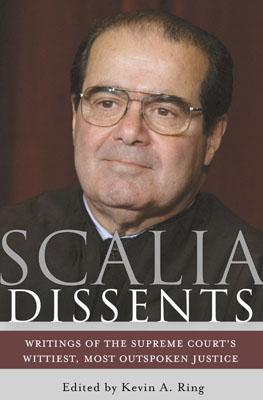
Justice Scalia on the Constitution, abortion, and assisted suicide

U.S. Supreme Court Justice Antonin Scalia, who passed away Saturday, believed that the role of the Court is to faithfully interpret and apply the law as it actually is—not as the Court wants it to be. Making law and policy is the job of the elected branches of government. Judges should not be legislators.

That's why Scalia took the position he did on abortion and the Constitution. The Constitution simply does not require, as the Court mistakenly ruled in Roe v. Wade (1973), a nationwide policy of abortion on demand. In his dissenting opinion in Planned Parenthood v. Casey (1992), which upheld the "central holding" of Roe, Scalia explained:
The issue is whether [abortion] is a liberty protected by the Constitution of the United States. I am sure it is not. I reach that conclusion ... for the same reason I reach the conclusion that bigamy is not constitutionally protected—because of two simple facts: (1) the Constitution says absolutely nothing about it, and (2) the long-standing traditions of American society have permitted it to be legally proscribed.
Therefore, Scalia concluded, "The permissibility of abortion, and the limitations upon it, are to be resolved like most important questions in our democracy: by citizens trying to persuade one another and then voting."

Dissenting in Stenberg v. Carhart (2000), which struck down a state law banning partial-birth abortion, Scalia wrote:
The notion that the Constitution of the United States, designed, among other things, "to establish Justice, insure domestic Tranquility ... and secure the Blessings of Liberty to ourselves and our Posterity," prohibits the States from simply banning this visibly brutal means of eliminating our half-born posterity is quite simply absurd.
Hodgson v. Minnesota (1990) dealt with the details of Minnesota's parental notification law. In a complicated and divided outcome, the Court upheld the law as long as there is a judicial bypass option (Scalia would have upheld the law regardless). Scalia noted:
One will search in vain the document we are supposed to be construing for text that provides the basis for the argument over these distinctions; and will find in our society's tradition regarding abortion no hint that the distinctions are constitutionally relevant, much less any indication how a constitutional argument about them ought to be resolved. The random and unpredictable results of our consequently unchanneled individual views make it increasingly evident, Term after Term, that the tools for this job are not to be found in the lawyer's—and hence not in the judge's—workbox. I continue to dissent from this enterprise of devising an Abortion Code, and from the illusion that we have authority to do so.
Nor does anything in the Constitution prevent states from prohibiting assisted suicide or protecting against the dehydration and starvation of medically vulnerable patients. In Cruzan v. Missouri Department of Health (1990), Scalia wrote:
American law has always accorded the State the power to prevent, by force if necessary, suicide ... [T]he point at which life becomes "worthless," and the point at which the means necessary to preserve it become "extraordinary" or "inappropriate," are neither set forth in the Constitution nor known to the nine Justices of this Court any better than they are known to nine people picked at random from the Kansas City telephone directory.
Scalia was part of the unanimous decisions in Vacco v. Quill and Washington v. Glucksberg (1997), which held that there is no right to assisted suicide. In his dissenting opinion in Gonzales v. Oregon (2006), Scalia argued that the Attorney General is allowed, under federal law, to prevent the use of drugs in Oregon for assisted suicide:
Unless we are to repudiate a long and well-established principle of our jurisprudence, using the federal commerce power to prevent assisted suicide is unquestionably permissible. ... If the term "legitimate medical purpose" has any meaning, it surely excludes the prescription of drugs to produce death.
In Roe v. Wade and subsequent decisions, the Court usurped the authority of the American people and their elected representatives to determine abortion policy—and 58 million abortions have been the result. Some people want the Court to do the same with assisted suicide. To prevent that from happening—and to reverse Roe, allowing for greater protection for unborn children and their mothers—we desperately need more Supreme Court justices like Antonin Scalia.